

A cocktail garden is one of the fastest ways to improve your drinks without changing your spirits. Fresh herbs and edible flowers bring aroma, brightness, and texture that bottled ingredients can’t replicate. This guide walks through what to plant, how to use it, and how to build a garden—big or small—that pays you back in better cocktails all spring and summer.
Gardens for Garnishes
Most cocktail gardens fail for one simple reason: people plant like they’re cooking, not like they’re drinking. A basil plant for pasta and pesto is fine. A basil plant for cocktails gets used constantly for sours, gimlets, even spring-centric martinis.
When you think like a bartender, your garden shifts. You start prioritizing plants that show up again and again—mint, citrus-forward herbs, aromatic flowers. You want ingredients that deliver impact with a small amount. A single sprig, a quick slap, a light expression over the glass and that herb is definitely present.
My own garden proves the point. Every year I plant four or five kinds of mint, knowing full well one bed will get overtaken. It always does. And I let it. There’s something useful about abundance when you’re making drinks for friends—you don’t ration mint for juleps or mojitos. You can make lush sprig bouquets to add to every drink. You grab a handful, run your fingers through it, and build something that smells alive.
You don’t need to be a great gardener to do this well. I’m not. Lavender comes and goes depending on how Louisville decides to behave that year. My thyme gets buried under a Little Henry bush when I forget to trip it back. Rosemary and sage, though? They come back stronger every season. The goal isn’t perfection. It’s access – fresh herbs within arm’s reach change how you build a drink.
Why Fresh Herbs and Flowers Matter in Cocktails
Fresh ingredients don’t just “look pretty.” They change the structure of the drink. Aromatics hit the nose before the liquid hits the palate. That first inhale—mint, rosemary, basil—sets expectation and primes the palate. I think of it as if it’s the accessories to an outfit that pull the whole thing together.
There’s also a precision you get with fresh herbs that bottled syrups can’t replicate. A rosemary sprig adds a sharp, piney lift without sweetness. A basil leaf brings green, almost peppery licorice flavors. You’re layering flavor without diluting or overbuilding the drink.
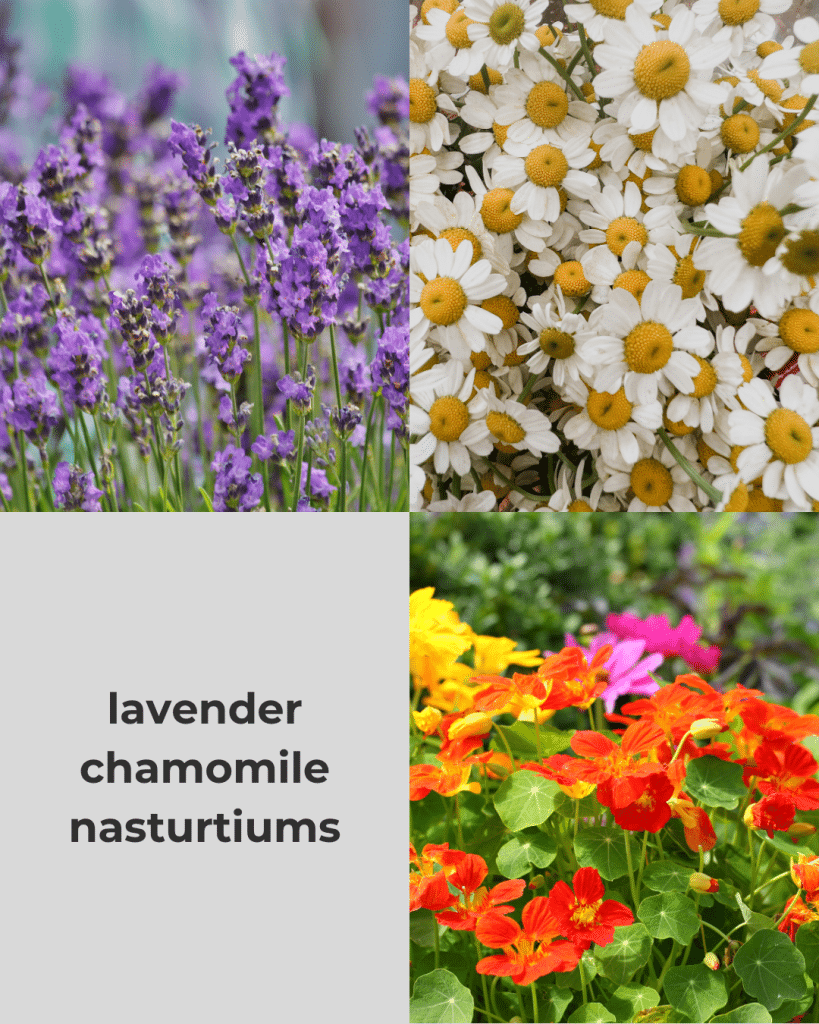
Flowers add another dimension: softness and volatility. Lavender, chamomile, nasturtium—they don’t sit heavy in the glass. They lift and dissipate, which makes them ideal for spring and summer drinks. Used correctly, they add complexity without weight.
Fresh herbs force you to pay attention. You smell, taste, adjust while making the cocktail – all in a good way. You stop following recipes blindly and start building drinks based on what’s in front of you. That’s where better cocktails come from.
Top 5 Garnish-Forward Plants
Mint (multiple varieties)
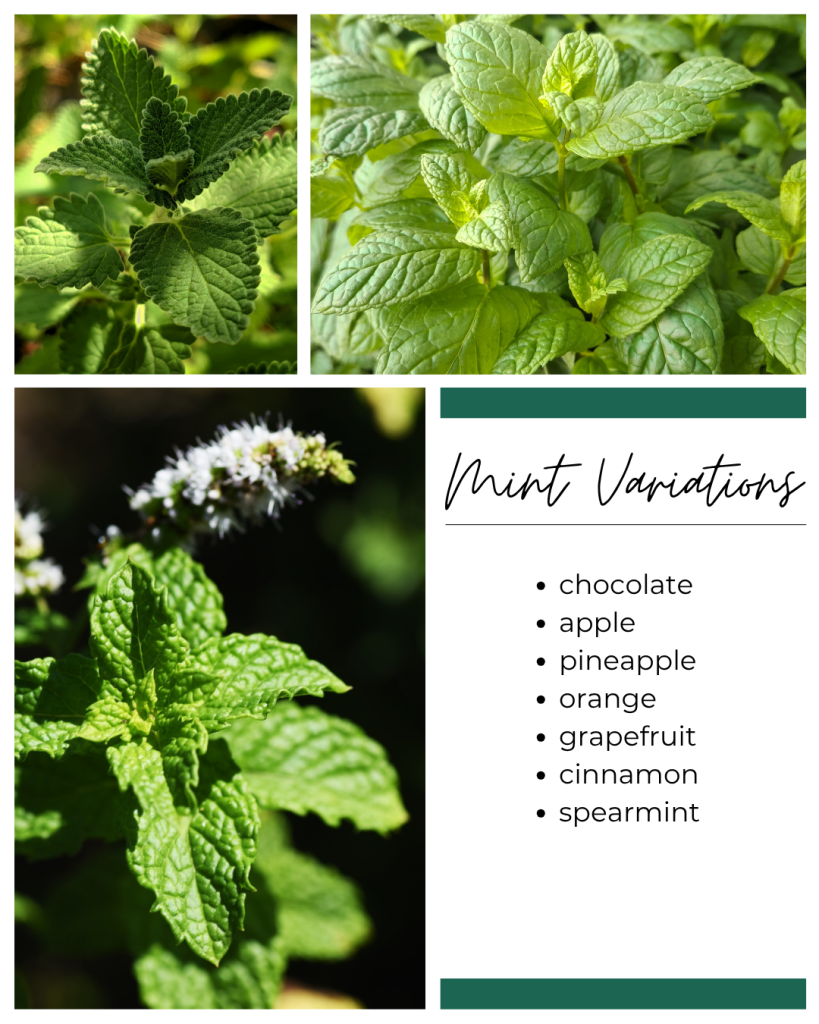
If you plant one thing, make it mint. Spearmint, chocolate mint, pineapple mint—each brings a slightly different aromatic profile. It’s essential for juleps, mojitos, smashes, and highballs. It grows aggressively, which is either a problem or a gift depending on how often you make drinks. I regularly have spearmint, chocolate mint, pineapple mint, apple mint and Kentucky Colonel mint in various areas and pots in my garden.
Rosemary
Rosemary delivers structure. It’s bold, resinous, and stands up to high-proof spirits. Perfect for whiskey cocktails, gin drinks, and anything with citrus. It’s also durable—once established, it keeps coming back with very little effort. Unless your husband gets a little overzealous with the weed whacker – but I’m not pointing fingers.
Basil
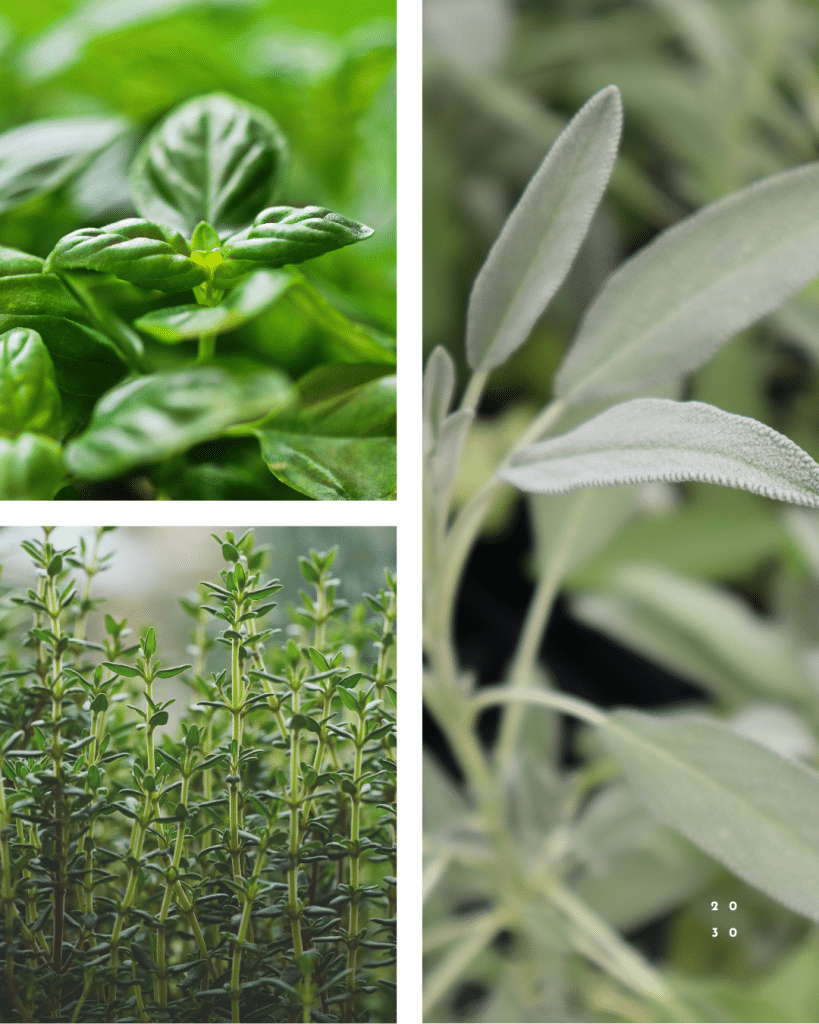
Basil bridges savory and sweet. It works in lighter whiskey cocktails, gin sours, and vodka-based drinks. It pairs especially well with berries and citrus, making it a summer workhorse. I always plant sweet basil, cinnamon basil and purple basil
Lavender
Lavender is delicate and easy to overdo, but when used right, it adds a soft floral note that transforms simple drinks. Think Collins variations, spritzes, and light whiskey highballs. It’s less reliable in the garden, but worth replanting.
Thyme
Thyme is subtle but powerful. It adds a dry, herbal backbone that works in spirit-forward cocktails and lighter citrus builds. It’s especially useful when you want complexity without sweetness.
10 Additional Plants to Expand Your Range
Sage
Earthy and slightly bitter, sage adds depth to fall-leaning cocktails and whiskey sours. It holds up well when lightly torched or expressed.
Lemon Balm
Bright, citrusy, and softer than mint. Great in vodka, gin, and low-ABV spritz-style drinks. Also, hard to kill, and usually reseeds and starts itself back up when it does.
Chamomile
Floral and calming. Works well infused into syrups or used as a garnish for lighter, honey-driven cocktails.
Nasturtium
Peppery, gorgeous leaves and bright flowers. Adds both visual impact and a subtle bite—great for savory or gin-based drinks.
Tarragon
Anise-forward and slightly sweet. Excellent with citrus and works surprisingly well in tequila and gin cocktails.
Dill
If you love savory cocktails, especially martinis, a fresh dill frond adds a perfect accent to gin and vodka drinks that need a touch more complexity.
Fennel Fronds
Light, feathery, and aromatic. Adds a delicate anise note without overwhelming the drink.
Marigold (edible varieties)
Bright color with mild citrus bitterness. Good for garnish and visual contrast.
Lemon Verbena
Intensely citrusy without acidity. Ideal for syrups, infusions, and garnishes in summer drinks.
Borage
Cucumber-like flavor with star-shaped flowers. Excellent in gin cocktails and garden-style drinks. Warning, rabbits love these and will eat them to the ground.
Styles of Cocktail Gardens
You don’t need a full backyard to do this well. You need access and intention.
Container Gardens (Small Space)
Pots are your friend. Mint should almost always live in containers unless you want it to take over. Group herbs by usage—mint and basil together, woody herbs like rosemary and thyme in another cluster. Keep them close to your kitchen or bar setup.
Raised Beds or Garden Plots
If you have space, dedicate a section specifically to cocktail herbs. Let mint run in one contained area. Plant perennials like rosemary and sage where they can establish roots year after year. Use the rest for seasonal rotation—lavender, basil, flowers.
Hybrid Approach
This is where most people land. A few pots for aggressive growers, a small bed for everything else. It gives you flexibility without losing control of the garden. I have a back bed for nothing but mint, and lemon balm since they spread like wild, and keep specific mint varietals in small containers I fill year after year.
How to Plan a Cocktail Garden That Stays in Season
Start by thinking in seasons, not plants. Your goal isn’t just to grow herbs—it’s to have something fresh and useful for cocktails at any point from early spring through late fall. That means mapping what thrives when, then layering your garden so something is always ready to pick.
Step 1: Break the year into three cocktail seasons
- Spring (March–May): soft, green, floral — mint, chives, lemon balm, early edible flowers – plant early.
- Summer (June–August): bold, bright, abundant — basil, thyme, lavender, nasturtium, borage. Plant after frost in spring to have in summer.
- Late Summer/Fall (September–October): deeper, savory — rosemary, sage, marigold, fennel fronds. Plant after frost, spring and early summer.
Step 2: Choose 2–3 anchor plants per season
These are your workhorses—the ones you’ll actually use. Mint can span multiple seasons. Rosemary and sage anchor the back half of the year. Basil and flowers fill the summer gap.
Step 3: Mix perennials and seasonal plants
- Perennials (rosemary, sage, thyme): plant once, build around them
- Annuals (basil, flowers): rotate in as seasons shift
This keeps your garden productive without starting from scratch every year.
Step 4: Stagger planting, not just harvesting
Plant some herbs early, then a second round a few weeks later. This avoids the “everything is ready at once” problem and keeps your garnishes fresh longer.
Step 5: Design for access, not aesthetics
Put your most-used herbs closest to your door or bar setup. If it’s not easy to grab, you won’t use it. The best cocktail garden is the one you actually pull from mid-drink.
Quick planning tip:
If you can step outside in any given month, grab one herb and one flower, and build a drink that feels intentional—you planned it right. And think about those plants that get lush again after a mid season cut-back – I’m looking at you mint, basil and parsley.
Tips and Tricks for Cocktail Garden Planning
- Plant for frequency, not novelty. You’ll use mint ten times before you use tarragon once.
- Think in aromas. What do you want to smell when the drink hits the table? Plant that.
- Control aggressive growers. Mint spreads fast—containers keep it usable, not invasive.
- Use perennials as anchors. Rosemary, sage, and thyme reduce yearly effort.
- Harvest often. Regular trimming keeps plants healthy and gives you better, fresher growth.
- Match herbs to your drink style. Whiskey leans toward rosemary, sage, thyme. Gin and vodka lean toward basil, mint, and florals.
- Don’t overcomplicate. Five strong plants will outperform fifteen you barely use.
Bartender note: I don’t plan my garden like a gardener. I plan it like a host. If I can walk outside, grab three things, and build a drink that feels intentional, the garden is doing its job.
